The global water crisis isn’t a future problem. It’s happening now.
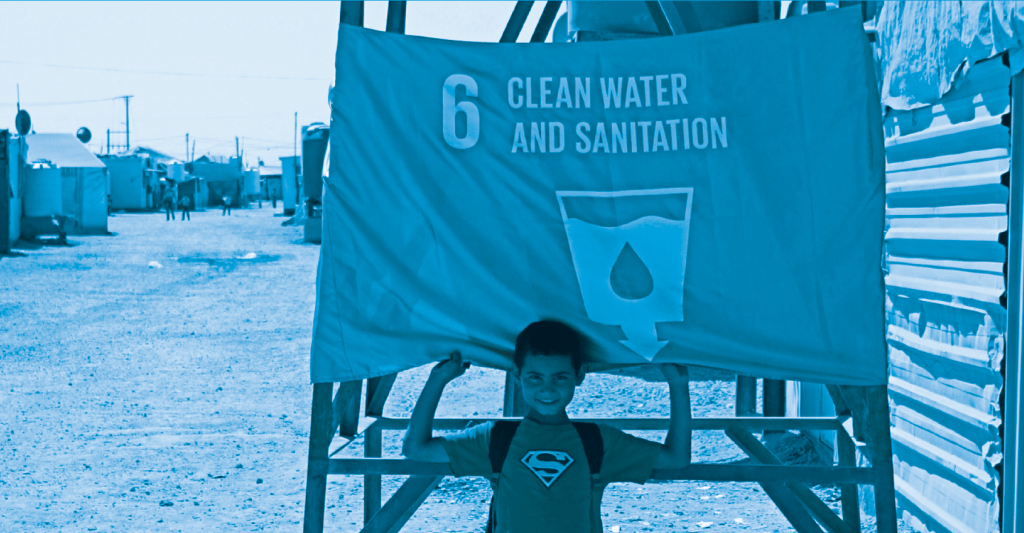
In 2020, UN-Water published the SDG 6 Global Acceleration Framework to address a stark reality: the world is failing to meet its clean water and sanitation targets. Progress has averaged just 1% annually since 2000, but at least 3% growth is needed to ensure basic services for everyone by 2030.
The framework identifies five key accelerators for change: financing, data and information, capacity development, innovation, and governance. It calls out the exact bottlenecks that keep communities without clean water: fragmented funding, uncoordinated donors, outdated infrastructure, and a lack of political will.
One stat stands out: for every $1 invested in basic drinking water in rural areas, nearly $7 is returned through saved medical costs and increased productivity. The solutions exist. The funding models haven’t kept up.
This is where Livity comes in.
The framework calls for innovative financing, including blended finance and new models that bypass traditional aid fragmentation. Livity’s NFT-funded approach to WASH infrastructure does exactly that. By connecting collectors and supporters directly to water projects in Gaza, we cut through the bureaucratic bottlenecks the UN itself identifies as barriers to progress.
Read the full framework below to understand the global landscape that shapes our work.